This Is The History Of Failed Double Glazing
Understanding Failed Double Glazing: Causes, Effects, and Solutions
Double glazing has acquired considerable appeal as a window option for homes and offices due to its energy effectiveness and sound reduction properties. Nevertheless, like any structural function, double-glazed windows are not immune to failure. Failed double glazing describes the wear and tear of the insulating homes of double-glazed seal units, which can cause different problems affecting convenience, energy bills, and aesthetics. This article looks into the causes, results, and potential solutions for failed double glazing.
What is Double Glazing?
Double glazing consists of two panes of glass separated by a gas-filled space, usually Argon or Krypton, which minimizes heat transfer. This style effectively insulates against heat loss in winter season and heat gain in summer, ultimately reducing energy costs for homeowners. The seal, usually made of a long lasting material, keeps moisture out and maintains the insulating gas in between the panes.
Reasons For Failed Double Glazing
Several factors can result in the failure of double-glazed windows, each impacting their effectiveness and life expectancies. Below is a comprehensive list of typical causes:
Sealant Failure: The most common cause of double-glazing failure is the deterioration of the sealant. Over time, the seal can end up being brittle due to extreme temperature fluctuations, direct exposure to UV light, or basic wear and tear.
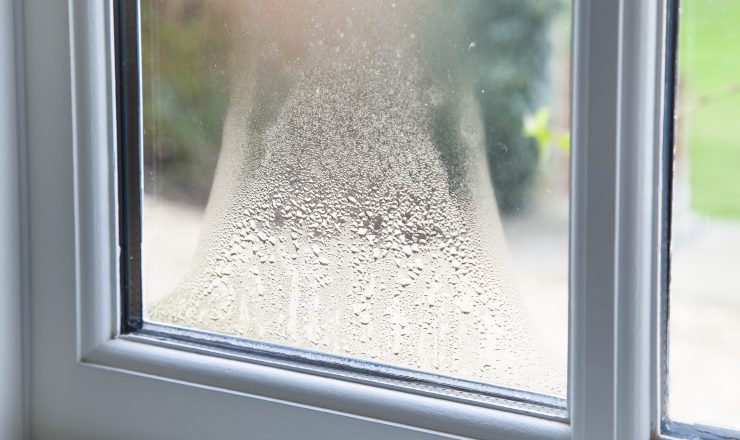
Moisture Ingress: Once the seal fails, moisture can infiltrate the airspace between the glass panes, leading to fogging or condensation.
Thermal Stress: Rapid temperature level changes can cause undue tension on the glass panes, causing cracks or warping.
Poor Installation: Incorrect installation can jeopardize the seals and cause early failures.
Manufacturing Defects: Some double-glazed units may suffer from defects throughout production, which can add to failures later on.
Age: Like the majority of structure products, double glazing has a lifespan. Typically, just click the following web site can last in between 10 to 20 years before showing indications of wear.
Table: Causes of Failed Double Glazing
Cause
Description
Sealant Failure
Wear and tear of seals due to age or weathering
Moisture Ingress
Entry of moisture into the airspace in between panes
Thermal Stress
Cracks or warping due to rapid temperature level modifications
Poor Installation
Inappropriate fitting that weakens seals
Manufacturing Defects
Production errors that jeopardize unit stability
Age
Natural wear and tear in time
Results of Failed Double Glazing
The repercussions of failed double-glazed windows can be rather varied, impacting both comfort and expenses for property owners. The following prevail effects of double glazing failure:
Reduced Energy Efficiency: One of the main advantages of double glazing is energy savings. When an unit fails, homes become less energy efficient, causing increased heating and cooling costs.
Loss of Aesthetic Appeal: Condensation or fogging between panes can impact the look of windows and the total appearance of a residential or commercial property.
Reduced Comfort: Failed units can trigger drafts and fluctuating temperature levels inside a home, resulting in pain for residents.
Sound Insulation Problems: The insulating homes that lower outside sound are significantly lessened when a double-glazed system stops working.
Unloading the Effects of Failed Double Glazing
Greater Energy Bills: Homeowners might observe increased expenses due to jeopardized insulation.
Visual Obstruction: Cloudy or foggy windows can detract from the interior and outside aesthetics of a home.
Increased Condensation: Excess moisture can cause a variety of problems, including mold growth and structural damage.
Jeopardized Comfort: Variability in indoor temperature levels impacts living convenience.
Solutions for Failed Double Glazing
Attending to failed double glazing is crucial for maintenance and comfort. The following solutions are typically pursued:
Repairing the Seals: If the problem is localized, it might be possible to change the seals without changing the entire unit.
Replacement of the Unit: In cases where the seals have failed significantly or moisture has permeated, total replacement of the double-glazed unit may be needed.
Cleaning up: Sometimes, problems can come from dirt and gunk build-up. Cleaning up the internal surfaces, where possible, can in some cases alleviate perceived fogging. Nevertheless, this is typically ineffective for sealed units.
Improving Ventilation: To fight moisture build-up, boosting home ventilation can require less pricey solutions than window replacement.
Considering Secondary Glazing: If replacement is too costly, secondary glazing can improve existing double glazing's performance.
Benefits and drawbacks of Each Solution
Solution
Pros
Cons
Repairing the Seals
Economical; keeps existing windows
Momentary; not constantly possible
Replacement of the Unit
Brings back performance; deals new guarantee
More expensive; could require considerable time
Cleaning
Simple; frequently low-cost
Frequently inefficient for fogged units
Improving Ventilation
Boosts indoor air quality
May not address problems directly
Secondary Glazing
Includes additional insulation; generally cheaper than replacement
Might not always be aesthetically pleasing
Often Asked Questions (FAQs)
1. For how long does double glazing last?
Normally, double glazing can last in between 10 to twenty years, depending on the quality of installation and the materials utilized.
2. Can I repair failed double glazing?
In some cases, small failures might be fixed by changing the seals. Nevertheless, substantial moisture ingress usually needs replacement of the unit.
3. How do I know if my double glazing has failed?
Typical indications include fogging or condensation between the glass panes, noticeable cracks, or drafts near the windows.
4. Is it possible to avoid double glazing failure?
Routine maintenance and proper setup can assist to lengthen the lifespan of double-glazed windows and avoid failures.
5. Will defective double glazing impact my home's value?
Yes, failed double glazing can negatively affect the aesthetic appeal and energy performance of a home, potentially impacting its market value.
Failed double glazing is a problem that can affect any home, but understanding its causes, results, and solutions can empower homeowners. Regular examination and maintenance are vital to recognizing problems early and making sure the long-lasting performance of double-glazed windows. In selecting the suitable response to failed double glazing, homeowners can bring back convenience and energy efficiency while safeguarding the quality and value of their residential or commercial property.